Mastering Visual Communication with the Call Missed Glyph Icon
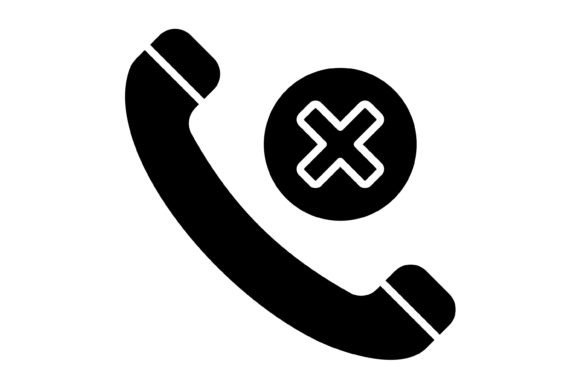
In the fast-paced world of digital interaction, a single icon often carries the weight of an entire message. We have all been there: staring at a screen, waiting for a callback, only to see that specific, slightly sinking feeling represented by a tiny graphic. That visual shorthand is vital for user experience. Today, we are taking a deep dive into the Call Missed Glyph Icon, a design asset that goes beyond simple aesthetics to solve real communication problems for designers, app developers, and brand strategists.
This is not just another generic symbol floating in a sea of user interface kits. It is a specific tool designed to convey a precise state of interaction—the moment a connection was attempted but failed. Whether you are building a mobile operating system, designing a dashboard for a telecom giant, or simply creating a status update feature for a social media app, the clarity of this icon is paramount. Let us explore how this specific glyph can elevate your projects and why its technical specifications make it a standout choice for modern web design and mobile apps.
Decoding the Visual Language of the Glyph
When we talk about the Call Missed Glyph Icon, we are discussing a piece of modern typography and iconography that prioritizes immediate recognition. Visually, a glyph of this nature typically adheres to the principles of flat design or material design—clean lines, consistent stroke weights, and a lack of unnecessary ornamentation. The personality of this icon is functional and urgent without being alarmist. It needs to say, "You missed this," in a fraction of a second.
The appeal lies in its versatility. Because it is a 100% vector icon, it retains its crispness whether it is viewed on a 4K desktop monitor or a low-resolution mobile screen. There is no pixelation, no blurring. This is crucial for maintaining a professional look across your brand identity. If you are using this icon within a logo design system or as part of a larger set of design assets, the consistency of the vector format ensures that your visual hierarchy remains intact. It is designed for maximum usability, meaning it works just as well in a dark mode interface as it does on a white background, especially given the transparency options included in the package.
Strategic Applications: From Mobile UI to Print Media
The utility of the Call Missed Glyph Icon extends far beyond the notification bar of a smartphone. While it is certainly suitable for mobile apps, its applications are surprisingly broad. Consider the following scenarios where this icon adds tangible value:
- Dashboards and Analytics: For SaaS platforms that track sales calls or customer service metrics, this glyph serves as a clear data point. It helps in editorial design for reports where visual cues speed up comprehension.
- Marketing Collateral: In packaging design or brochures for telecom services, the icon can be used to illustrate features or warnings about connectivity without relying on wordy explanations.
- Presentations and Templates: If you are building pitch decks or templates for clients, having a high-quality glyph ensures your slides look polished. It adds a layer of professionalism that stock clipart simply cannot match.
- Social Media Graphics: Use the icon in social media graphics to highlight "Do Not Disturb" features or to create engaging content about modern dating or communication habits. It adds a relatable visual element to your posts.
The file formats included—AI, EPS, JPG, PNG with transparent background, and SVG—ensure that you are ready for any platform. The SVG format is particularly vital for web design, as it scales infinitely and keeps file sizes low, contributing to faster page load speeds which is a key factor in SEO and user retention.
Influence on Brand Perception and User Trust
Design is rarely just about how things look; it is about how they work. The choice to use a specific premium font or icon set signals attention to detail. When a user interacts with an app or visits a website that uses well-crafted icons like the Call Missed Glyph Icon, they subconsciously register the interface as trustworthy and professional.
Consistency is the bedrock of strong brand identity. If you are mixing low-quality raster images with high-end sans serif font typography, the disconnect creates friction. This glyph is designed to integrate seamlessly with various typefaces, whether you are pairing it with a serif font for a classic editorial look or a handwritten font for a more casual, personal blog. It acts as a visual anchor, grounding the text and providing a break that aids in visual hierarchy.
Furthermore, the "missed call" concept is universal. It transcends language barriers, making it an essential component for apps and websites with a global audience. By using a standardized, high-quality glyph, you reduce the cognitive load on your users. They do not need to read a label to understand the status; the icon does the heavy lifting. This is the essence of good UX design—removing obstacles so the user can achieve their goals effortlessly.
Practical Integration and File Flexibility
For the creators and small business owners out there, the value of the Call Missed Glyph Icon also lies in its editability. The inclusion of AI and EPS files means you have full control over the vector paths. You can change the color to match your specific brand palette, adjust the stroke weight to match the boldness of your display font, or even combine it with other elements to create a custom lockup.
Imagine you are a crafter or hobbyist designing a custom planner or a sticker sheet. The PNG format with a transparent background allows you to drag and drop the icon directly onto your canvas. There is no need to spend hours cutting out backgrounds or dealing with jagged edges. It is truly ready to use for all devices and platforms.
For entrepreneurs and marketers, this means faster turnaround times. You do not need to commission a custom illustration every time you need to indicate a missed connection in a newsletter or a landing page. The asset is there, ready to be deployed, ensuring that your visual communication remains sharp and your workflow remains efficient. This is practical design thinking—using high-quality assets to streamline the creative process without sacrificing the end result.
Ultimately, the Call Missed Glyph Icon is more than just a picture of a phone with an arrow. It is a fundamental building block of digital communication. Whether you are refining a creative font pairing for a magazine spread or debugging the UI of a new mobile app, having this reliable, scalable, and versatile icon in your toolkit ensures that you are always communicating with clarity and style. It is a small detail, but in design, the details are what separate the good from the great.